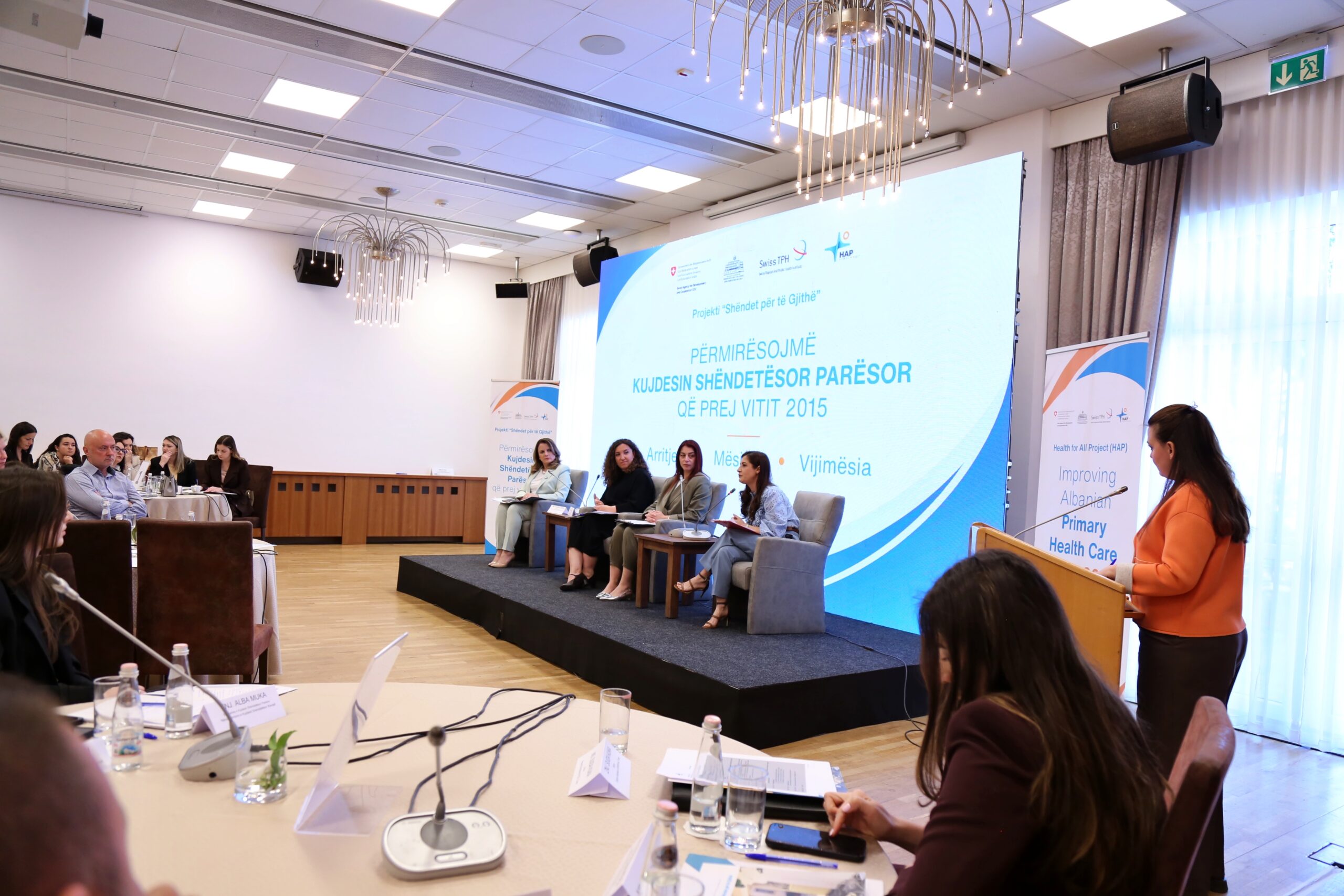
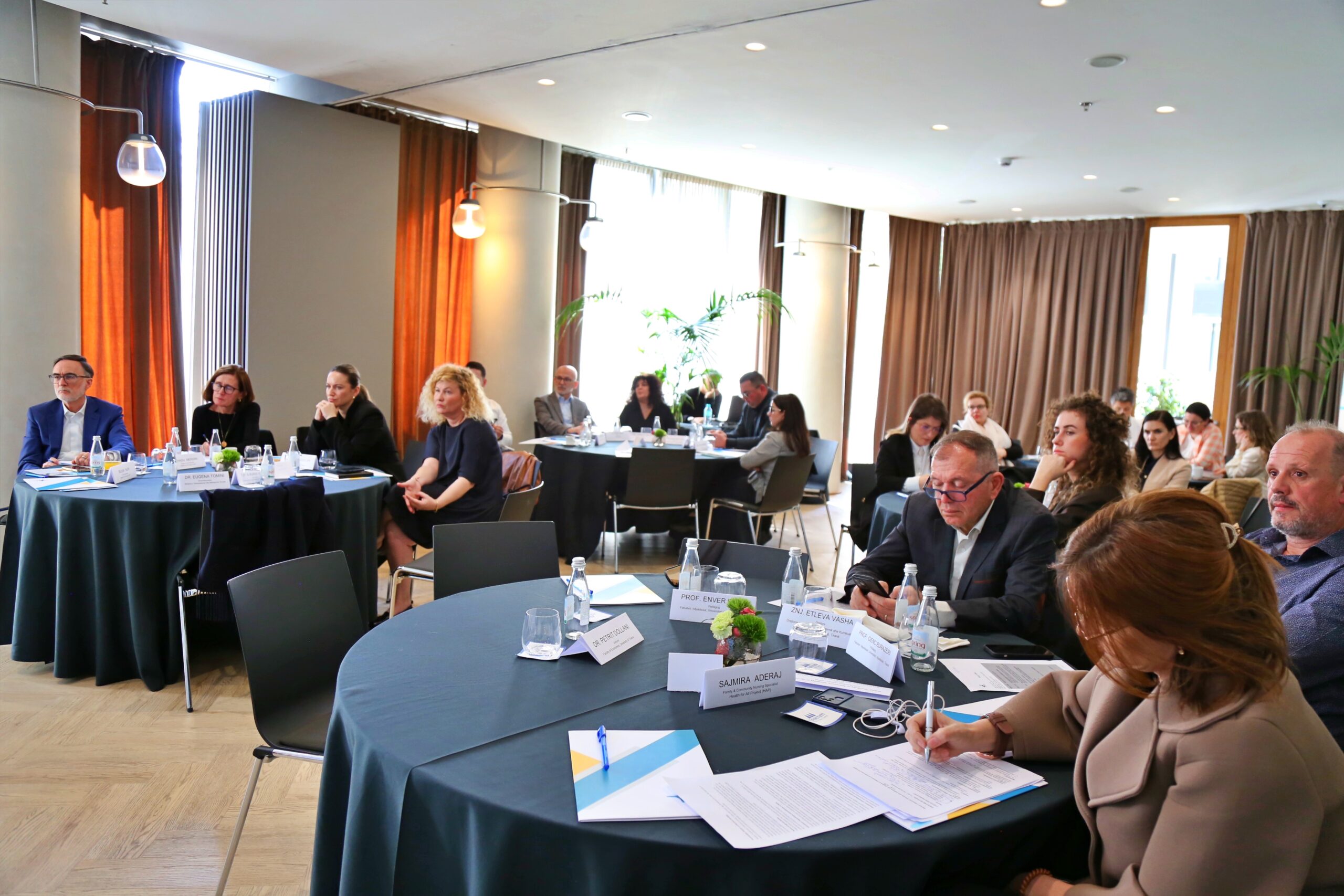
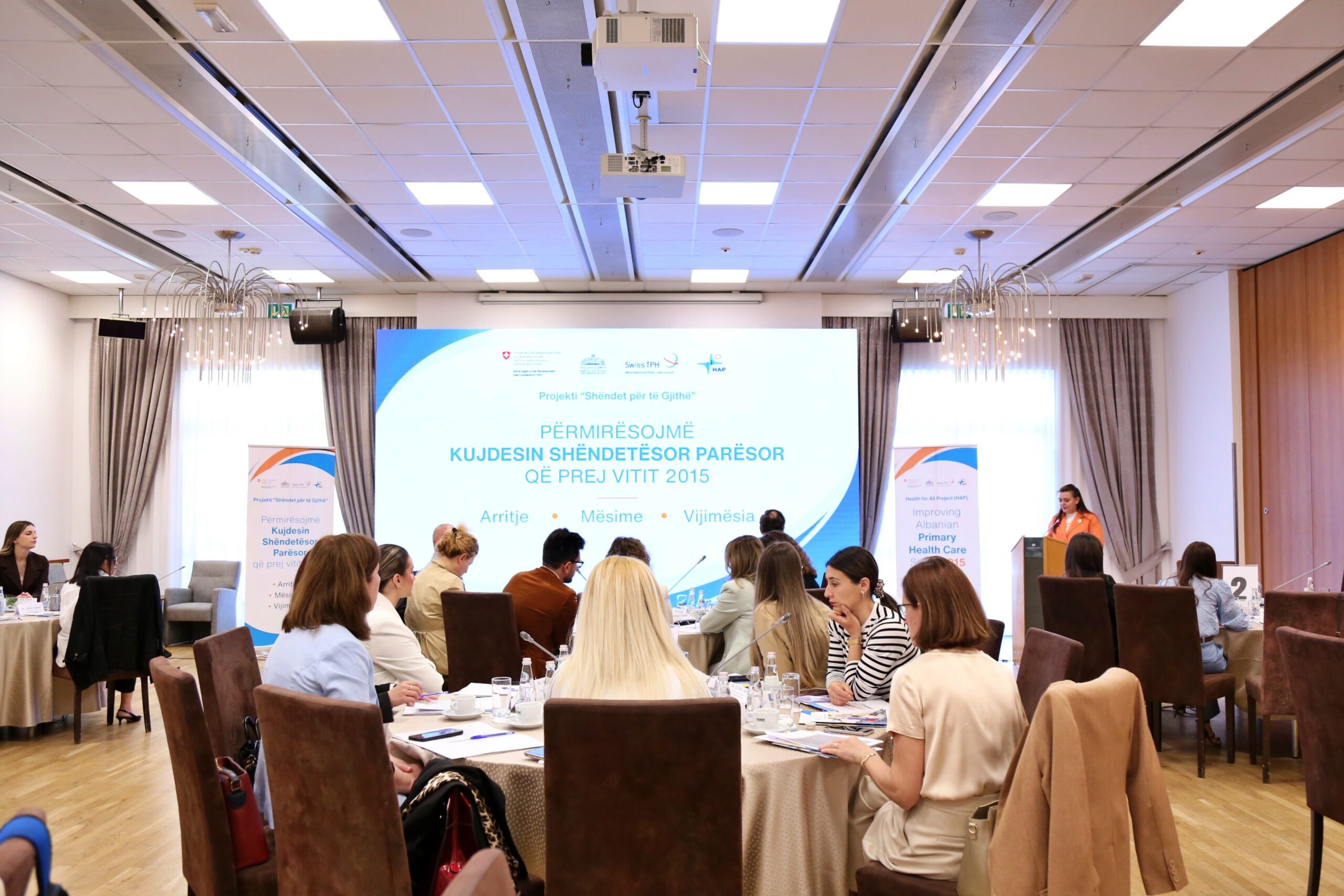
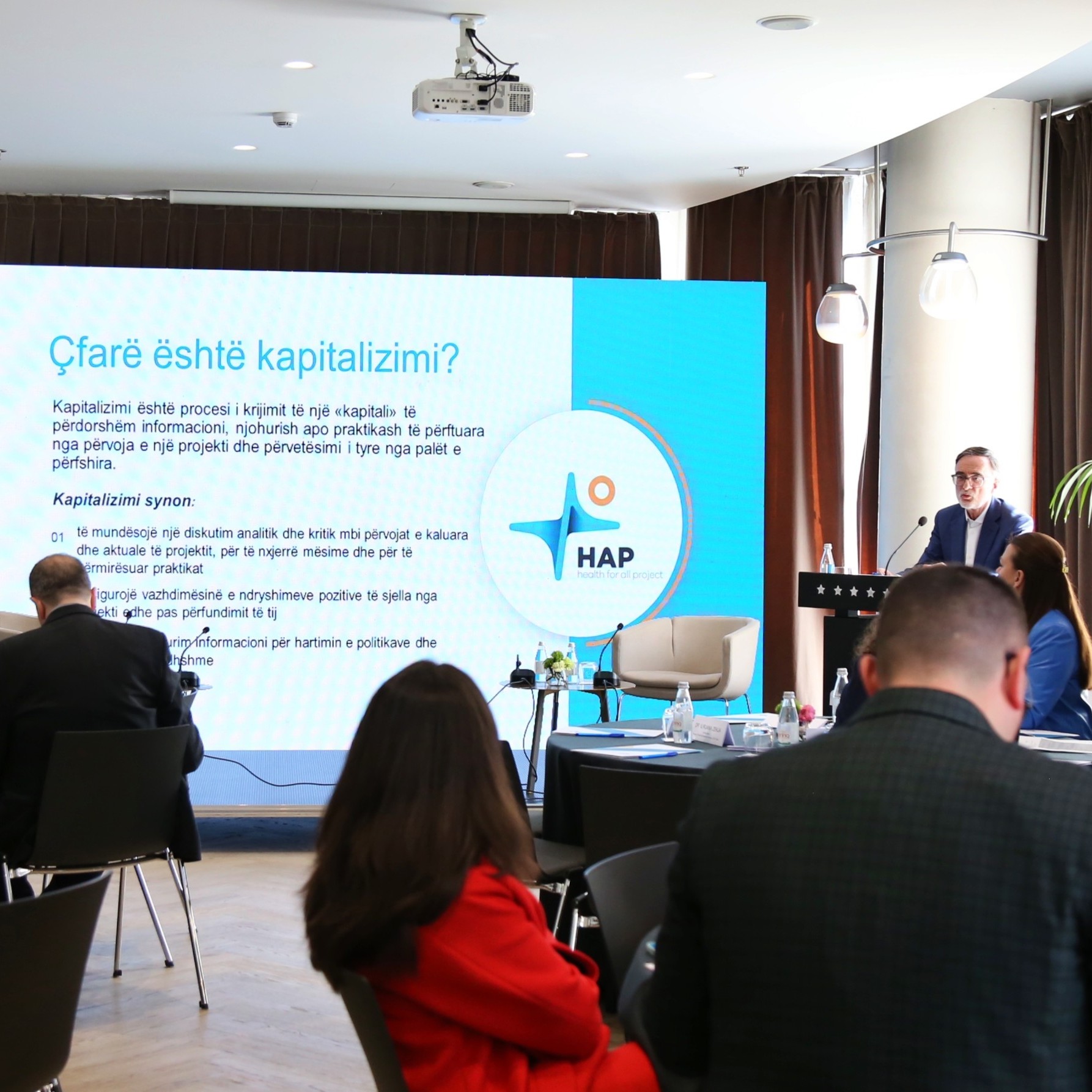
 What Is Capitalisation?
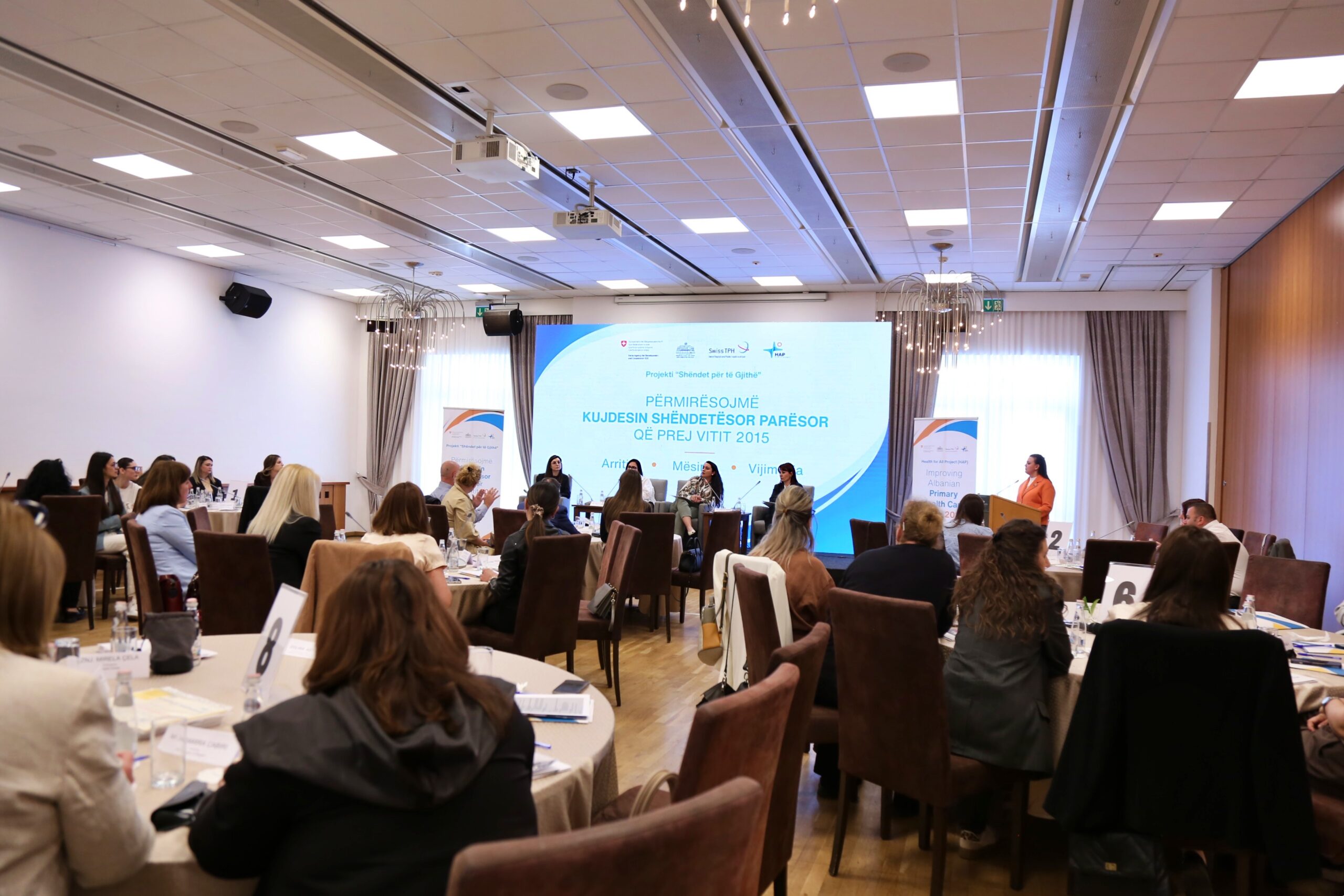
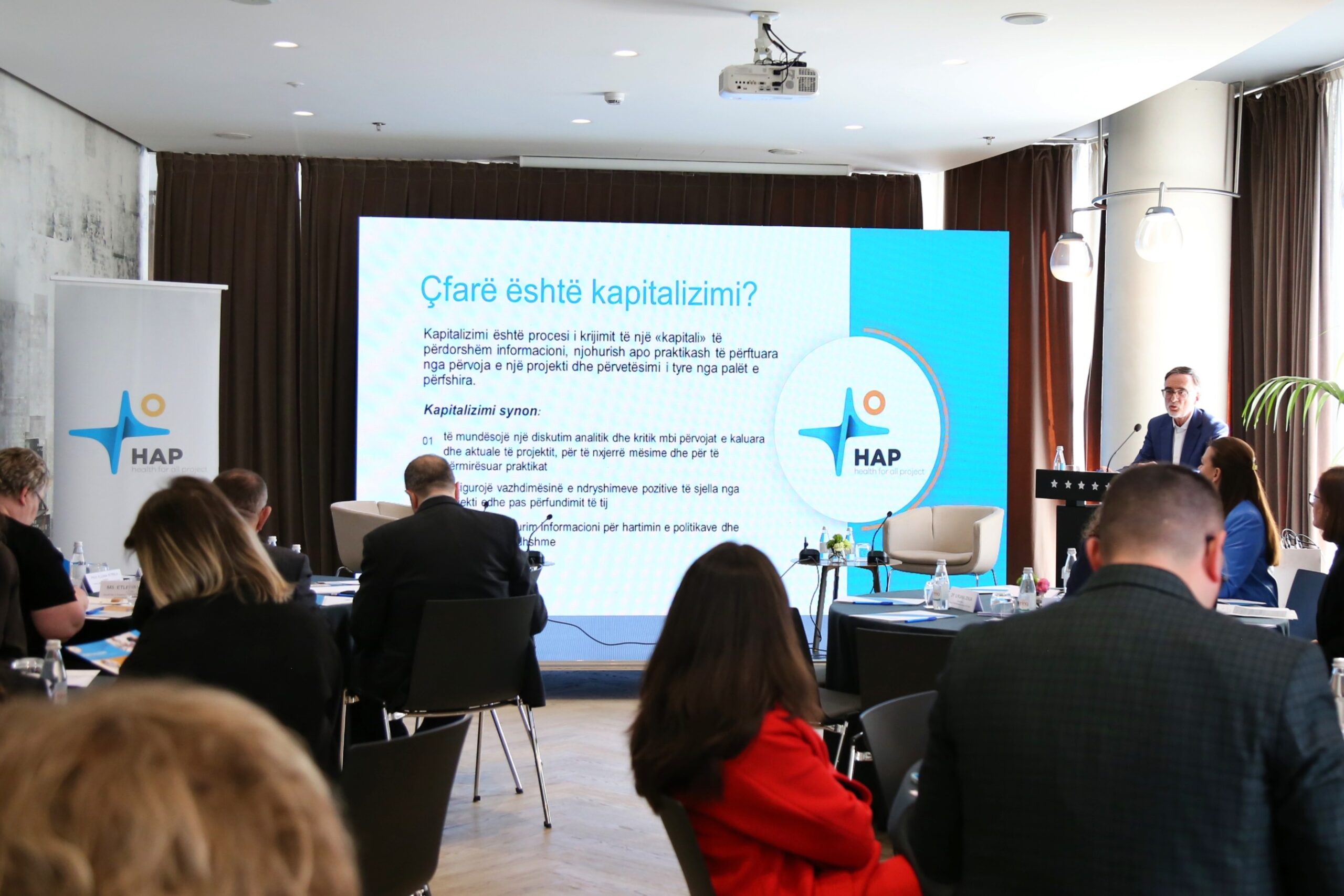
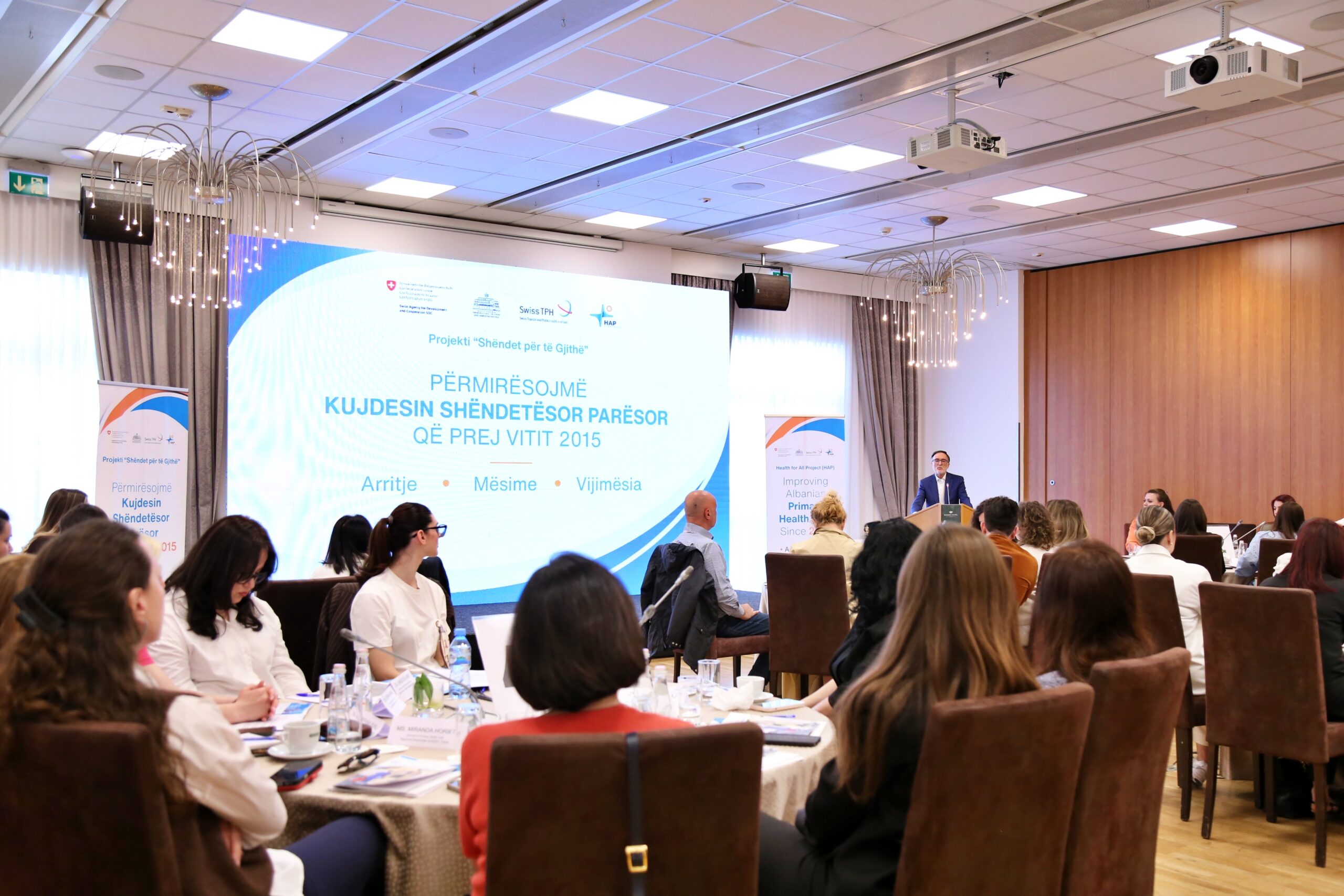
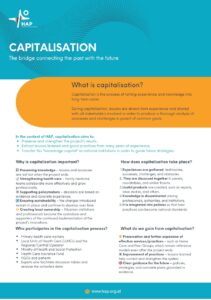
Capitalisation is a process through which a project’s experience is transformed into practical knowledge for the future. It ensures that successful practices, lessons learned and achieved results do not remain fragmented, but are analysed, documented and integrated into existing systems and policies.
What Is Capitalisation?
Capitalisation is a process through which a project’s experience is transformed into practical knowledge for the future. It ensures that successful practices, lessons learned and achieved results do not remain fragmented, but are analysed, documented and integrated into existing systems and policies.
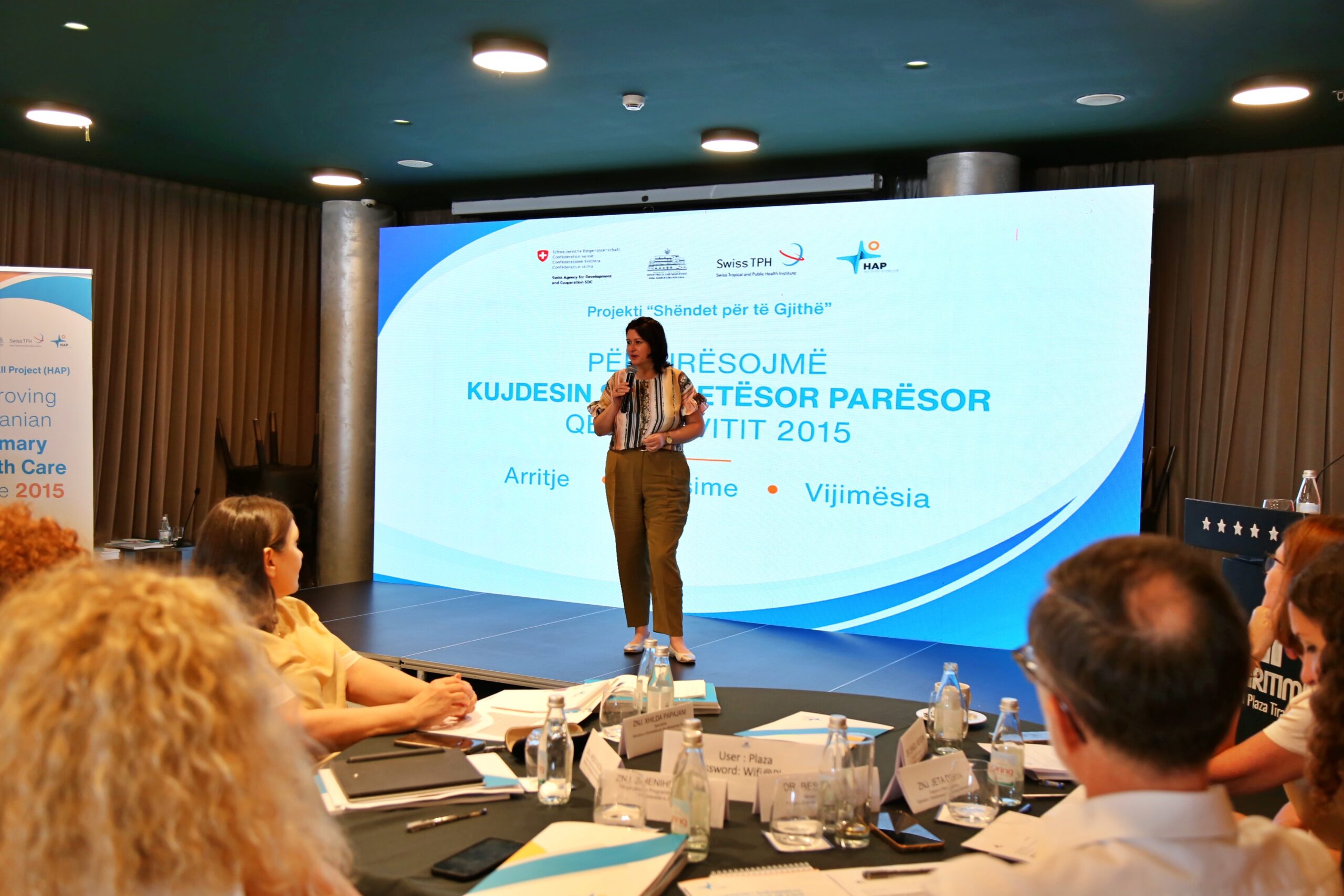
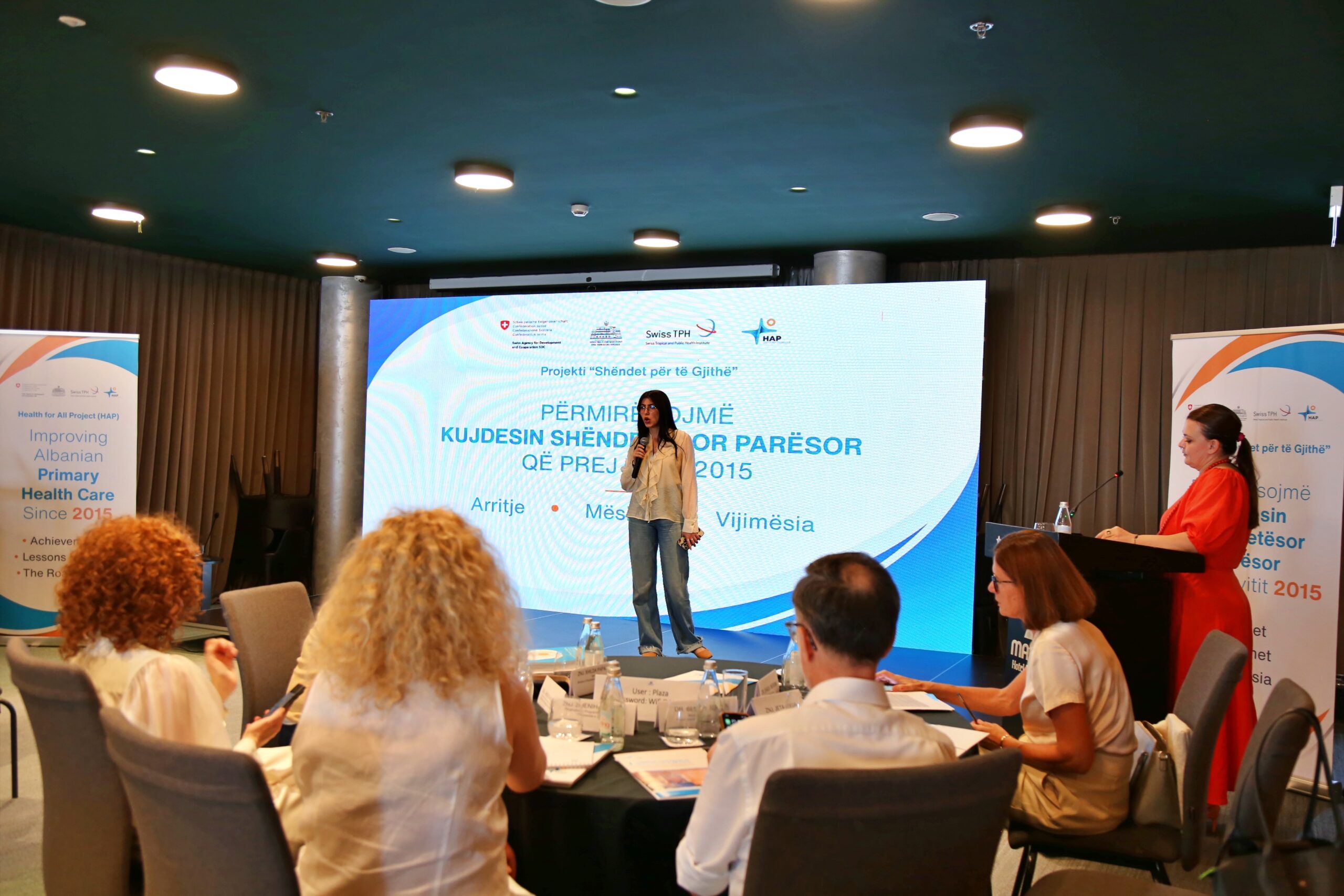
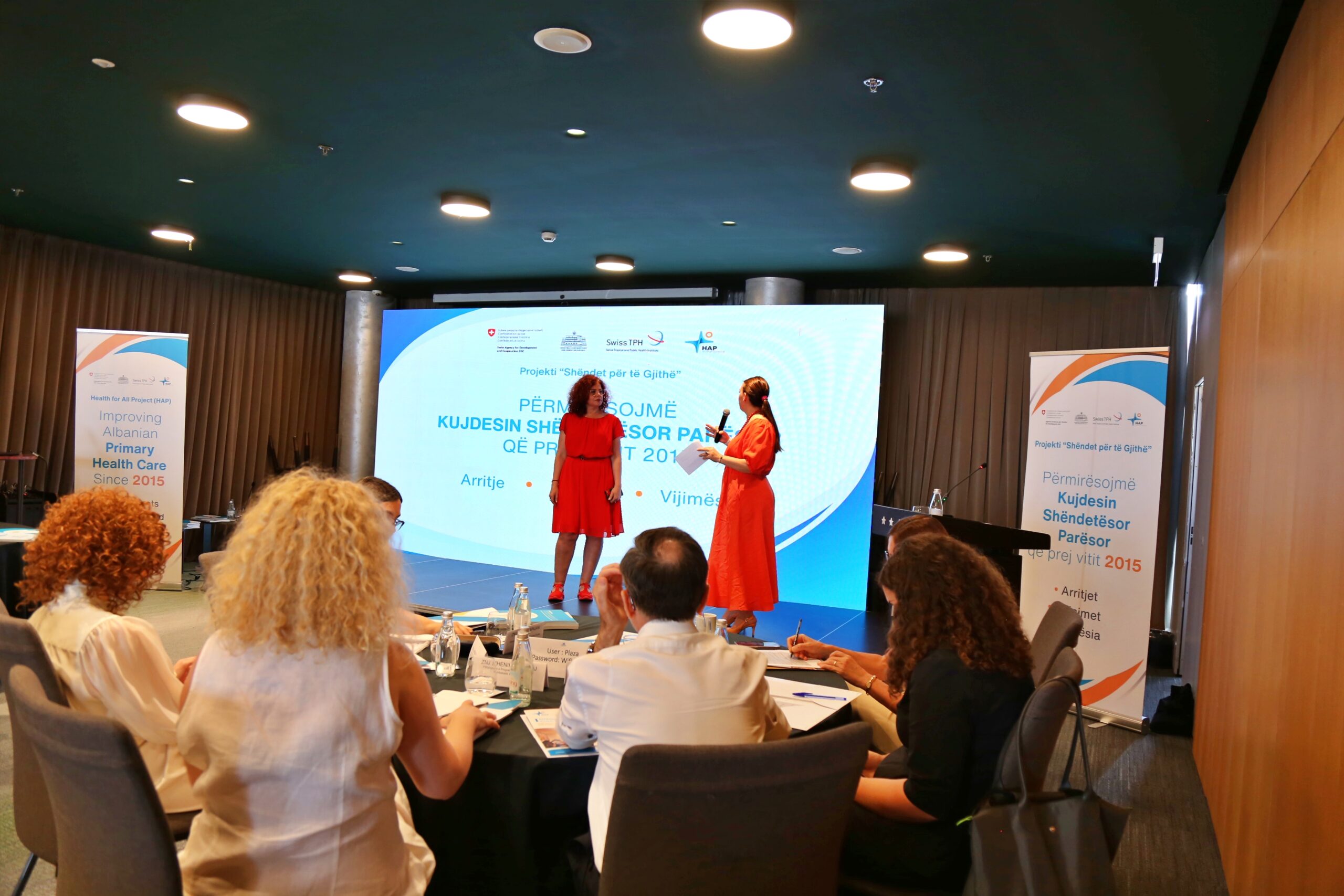
Through the capitalisation process, HAP aims to highlight not only the project’s successes but also the challenges encountered and the lessons learned during implementation, so that the knowledge generated can inform decision-making and further development in primary health care.
HAP’s capitalisation process focuses on the key areas in which the project has contributed to strengthening primary health care in Albania.
 Capitalisation is a process through which a project’s experience is transformed into practical knowledge for the future. It ensures that successful practices, lessons learned and achieved results do not remain fragmented, but are analysed, documented and integrated into existing systems and policies.
Through the capitalisation process, HAP aims to highlight not only the project’s successes but also the challenges encountered and the lessons learned during implementation, so that the knowledge generated can inform decision-making and further development in primary health care.
HAP’s capitalisation process focuses on the key areas in which the project has contributed to strengthening primary health care in Albania.
Collaboration with Universities for the Development of Human Resources in PHC
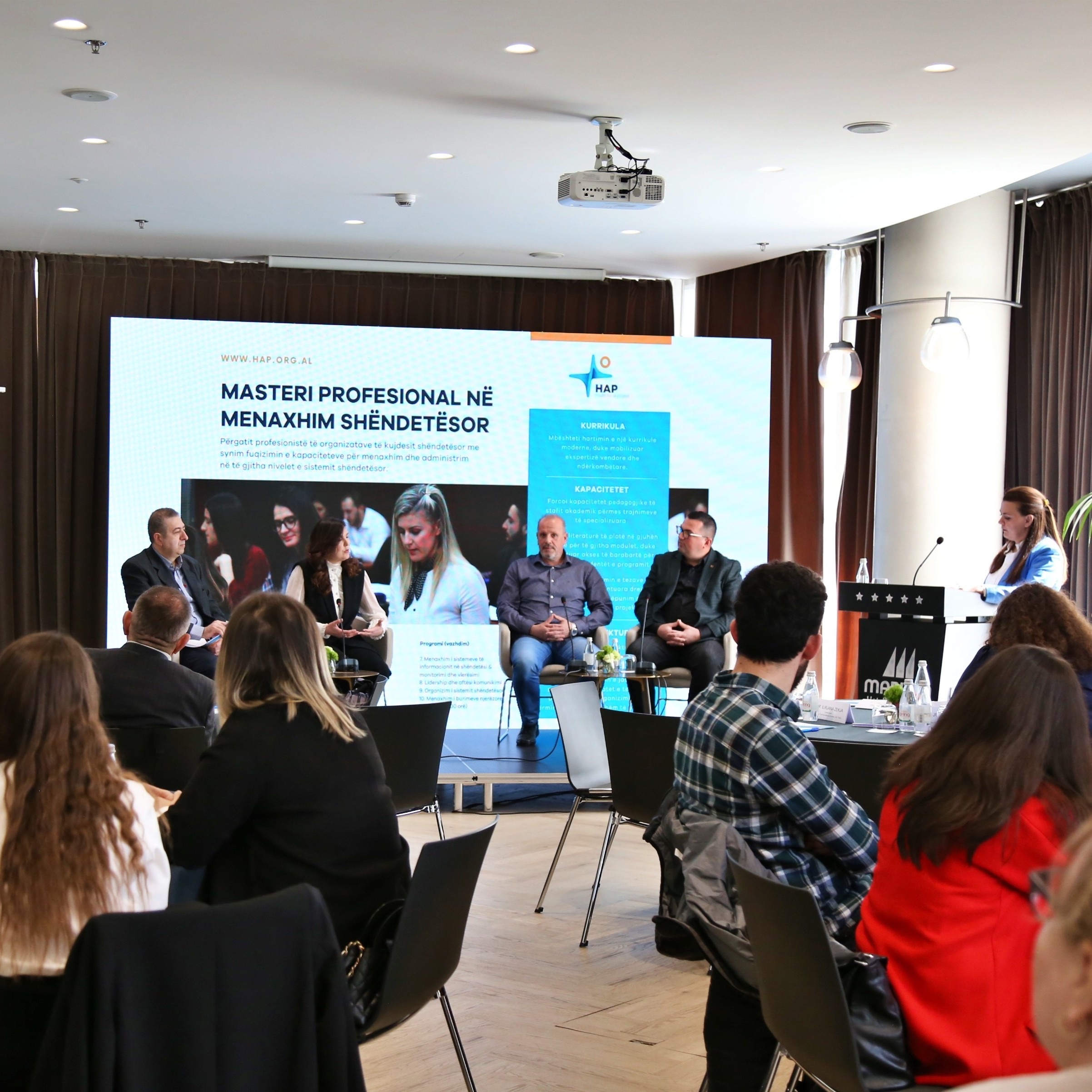
In collaboration with public universities, the HAP project contributed to the development of human resources in primary health care through the establishment of new professional programmes and the enhancement of academic capacities.
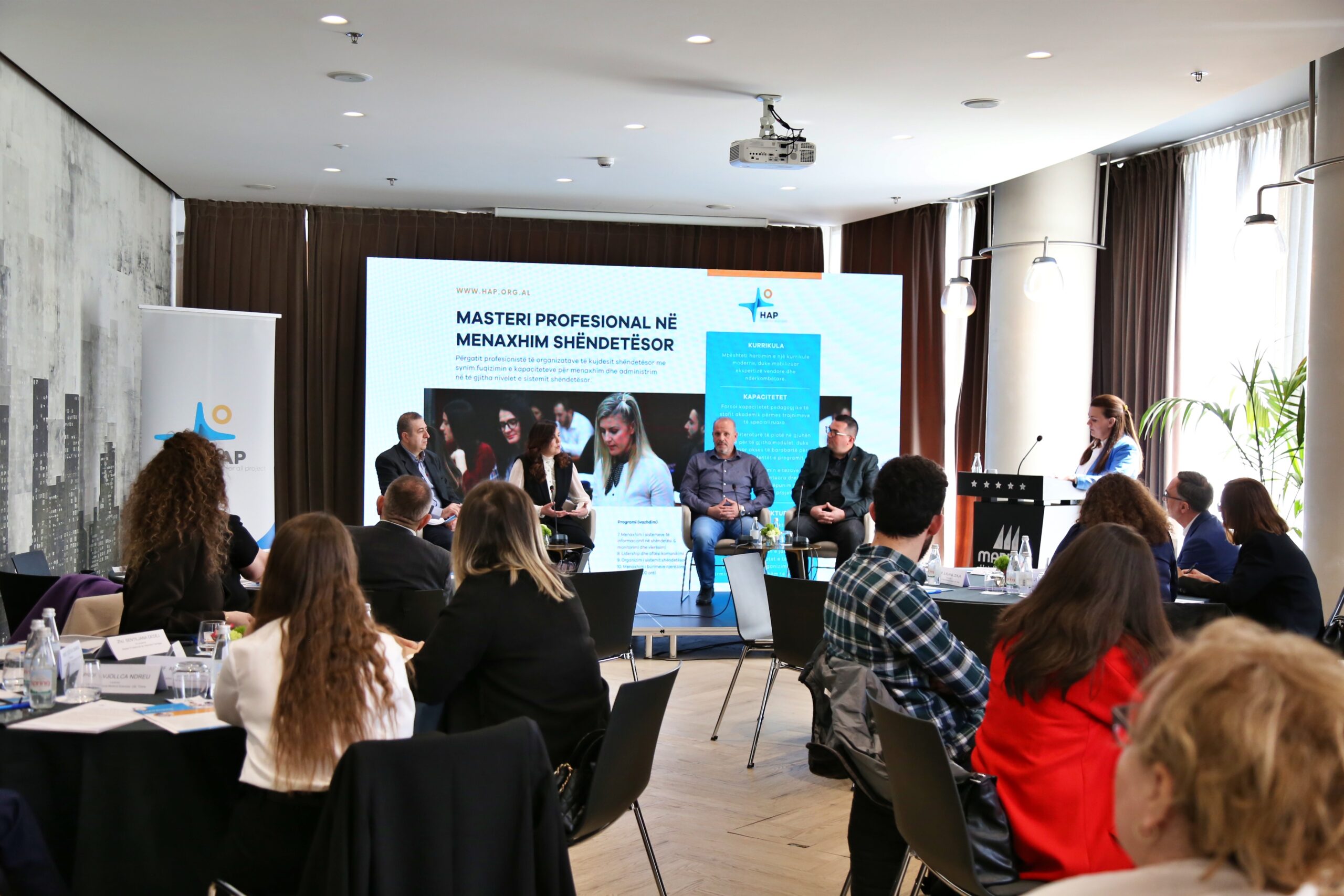
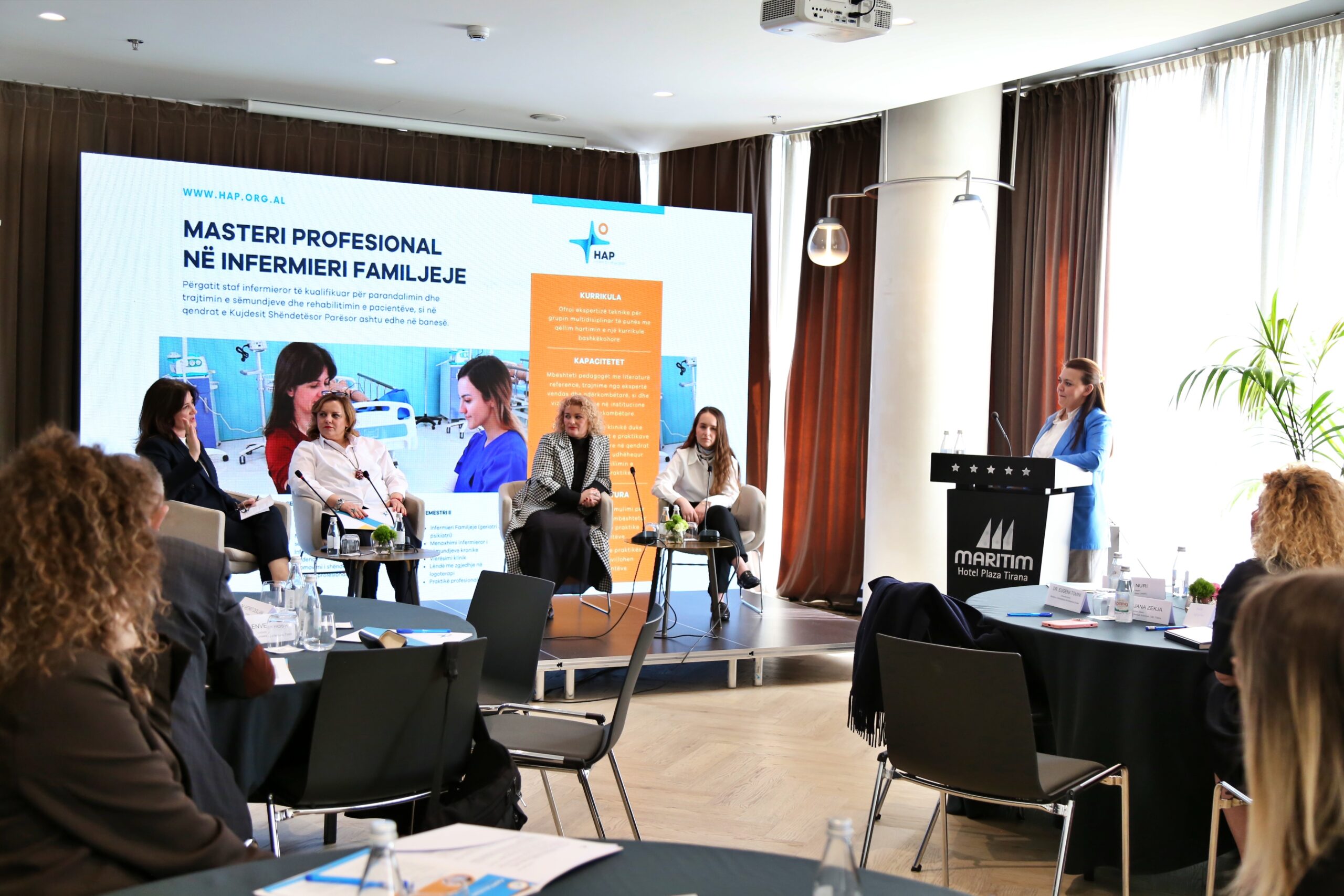
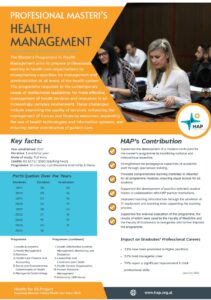
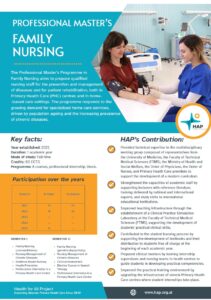
Within this framework, HAP supported the establishment of the Master’s Programme in Health Management (2017) and the Master’s Programme in Family Nursing (2021). These programmes were designed to prepare health managers capable of leading health institutions effectively and qualified professionals able to respond to the growing demand for home health care services. Support included the development of modern curricula, training of academic staff and clinical supervisors in partnership with European universities, and the upgrading of teaching infrastructure.
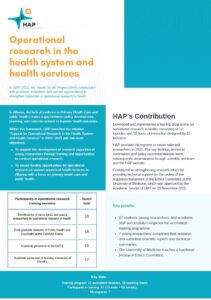
In parallel, between 2019 and 2023, HAP supported Operational Research on Health Systems and Services in collaboration with academic and research institutions, promoting the generation of local evidence to inform improvements in health policies and practice.
 In collaboration with public universities, the HAP project contributed to the development of human resources in primary health care through the establishment of new professional programmes and the enhancement of academic capacities.
Within this framework, HAP supported the establishment of the Master’s Programme in Health Management (2017) and the Master’s Programme in Family Nursing (2021). These programmes were designed to prepare health managers capable of leading health institutions effectively and qualified professionals able to respond to the growing demand for home health care services. Support included the development of modern curricula, training of academic staff and clinical supervisors in partnership with European universities, and the upgrading of teaching infrastructure.
In parallel, between 2019 and 2023, HAP supported Operational Research on Health Systems and Services in collaboration with academic and research institutions, promoting the generation of local evidence to inform improvements in health policies and practice.
Home Care: Development, Expansion and Consolidation of the Service
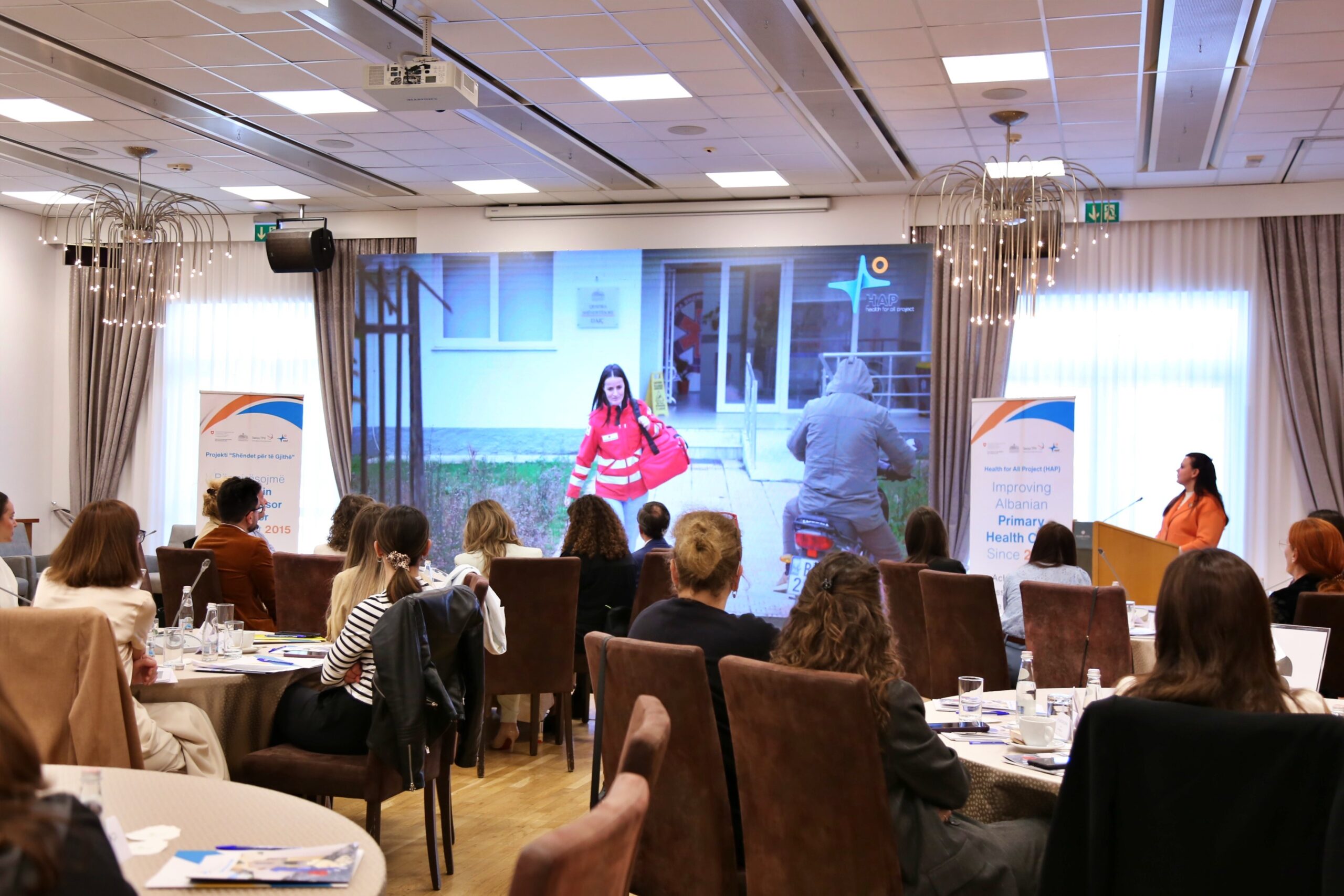
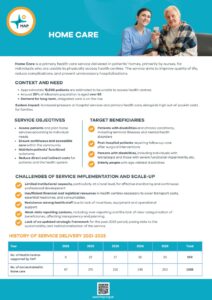
Home Care is one of the most significant developments in primary health care in Albania for chronically ill patients with limited mobility and older persons. HAP contributed to the design, piloting and consolidation of this new service model.
Support included the development of technical manuals, training of nurses and strengthening of their professional autonomy, as well as the provision of medical and paramedical equipment to health centres. This support simultaneously reinforced community-based care and improved access for vulnerable groups to high-quality and inclusive health services.
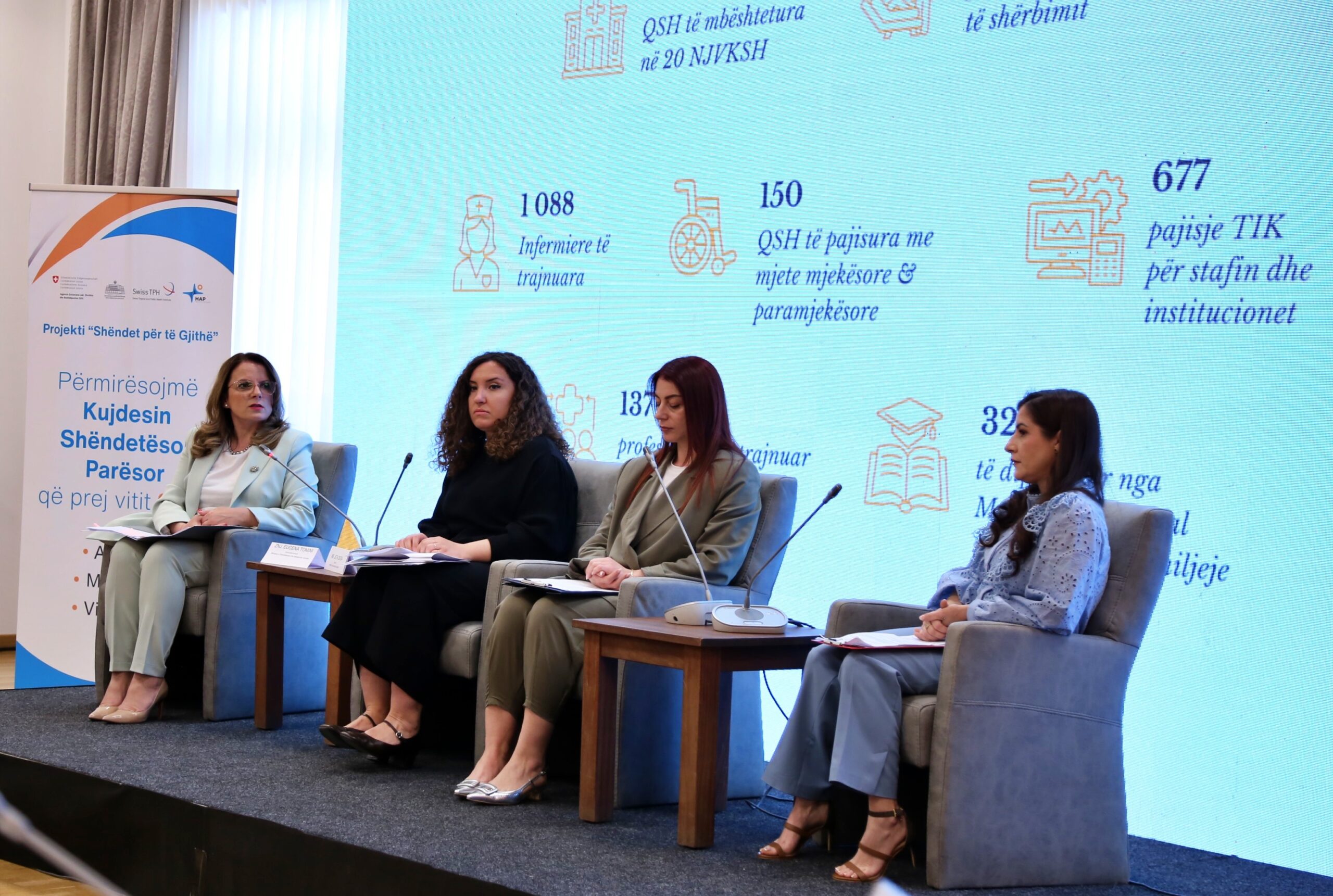
Between 2022 and 2025, more than 1,000 nurses were trained, helping to ensure continuity of care and improve the quality of life of the most vulnerable patients. By December 2025, 96% of health centres supported by the project (144 out of 150) were providing home visits.
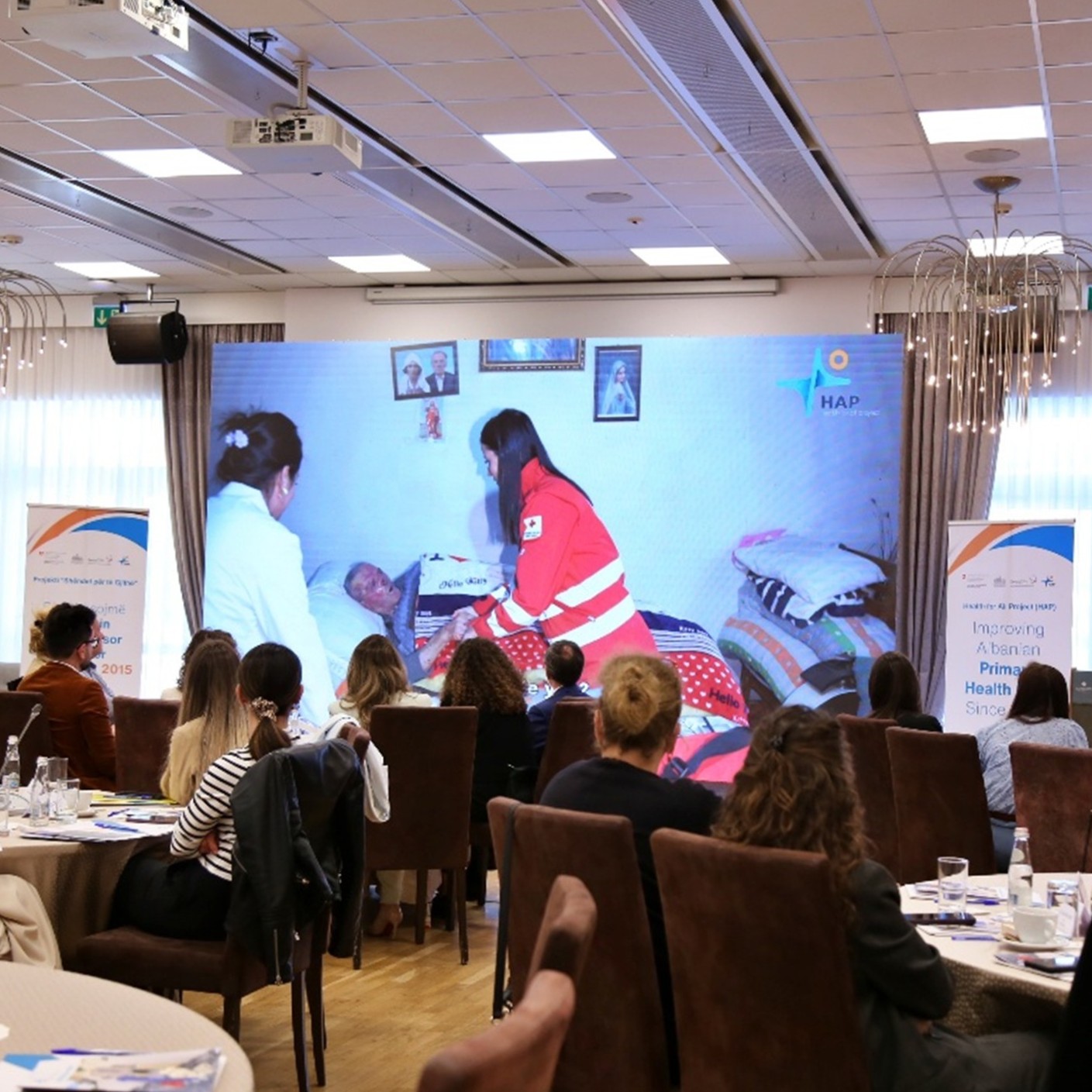 Home Care is one of the most significant developments in primary health care in Albania for chronically ill patients with limited mobility and older persons. HAP contributed to the design, piloting and consolidation of this new service model.
Support included the development of technical manuals, training of nurses and strengthening of their professional autonomy, as well as the provision of medical and paramedical equipment to health centres. This support simultaneously reinforced community-based care and improved access for vulnerable groups to high-quality and inclusive health services.
Between 2022 and 2025, more than 1,000 nurses were trained, helping to ensure continuity of care and improve the quality of life of the most vulnerable patients. By December 2025, 96% of health centres supported by the project (144 out of 150) were providing home visits.
Standardisation of Noncommunicable Disease Management and the Role of Peer Groups
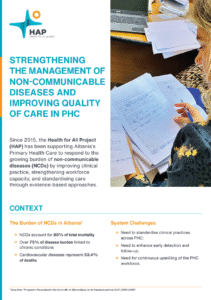
HAP contributed to the standardisation of noncommunicable disease (NCD) management in primary health care through the development and implementation of clinical protocols and guidelines for diabetes, hypertension, asthma, COPD and dyslipidaemia, as well as a health education manual for their prevention.
Special attention was given to the need for specialised care for older persons through the development of guidelines on elderly care and a manual of health education for the elderly.
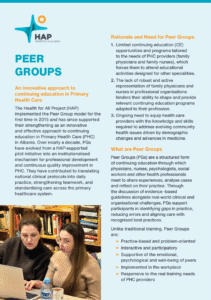
To support the practical implementation of these protocols, the project trained family doctors and nurses, equipped health centres with clinical tools and strengthened Peer Groups as a mechanism for continuing professional development. This approach helped harmonise clinical practice, improve the quality of care and enhance the management of patients with chronic diseases.
To date, more than 1,000 health professionals have been trained, and Peer Groups have been consolidated as functional platforms for professional exchange, case discussion and the consistent implementation of clinical protocols.
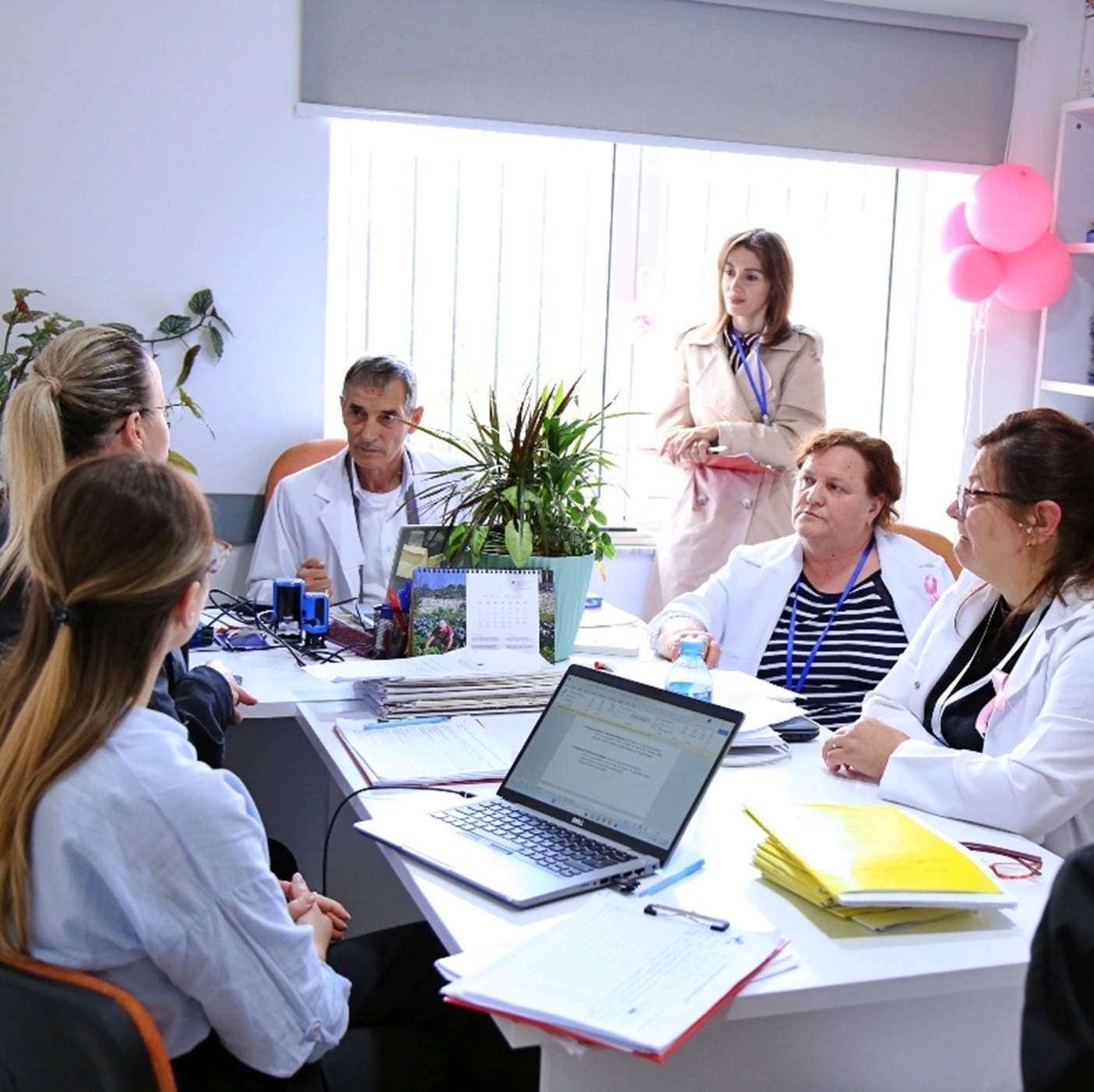 HAP contributed to the standardisation of noncommunicable disease (NCD) management in primary health care through the development and implementation of clinical protocols and guidelines for diabetes, hypertension, asthma, COPD and dyslipidaemia, as well as a health education manual for their prevention.
Special attention was given to the need for specialised care for older persons through the development of guidelines on elderly care and a manual of health education for the elderly.
To support the practical implementation of these protocols, the project trained family doctors and nurses, equipped health centres with clinical tools and strengthened Peer Groups as a mechanism for continuing professional development. This approach helped harmonise clinical practice, improve the quality of care and enhance the management of patients with chronic diseases.
To date, more than 1,000 health professionals have been trained, and Peer Groups have been consolidated as functional platforms for professional exchange, case discussion and the consistent implementation of clinical protocols.
Supporting Vulnerable Groups through Integrated Social and Health Services
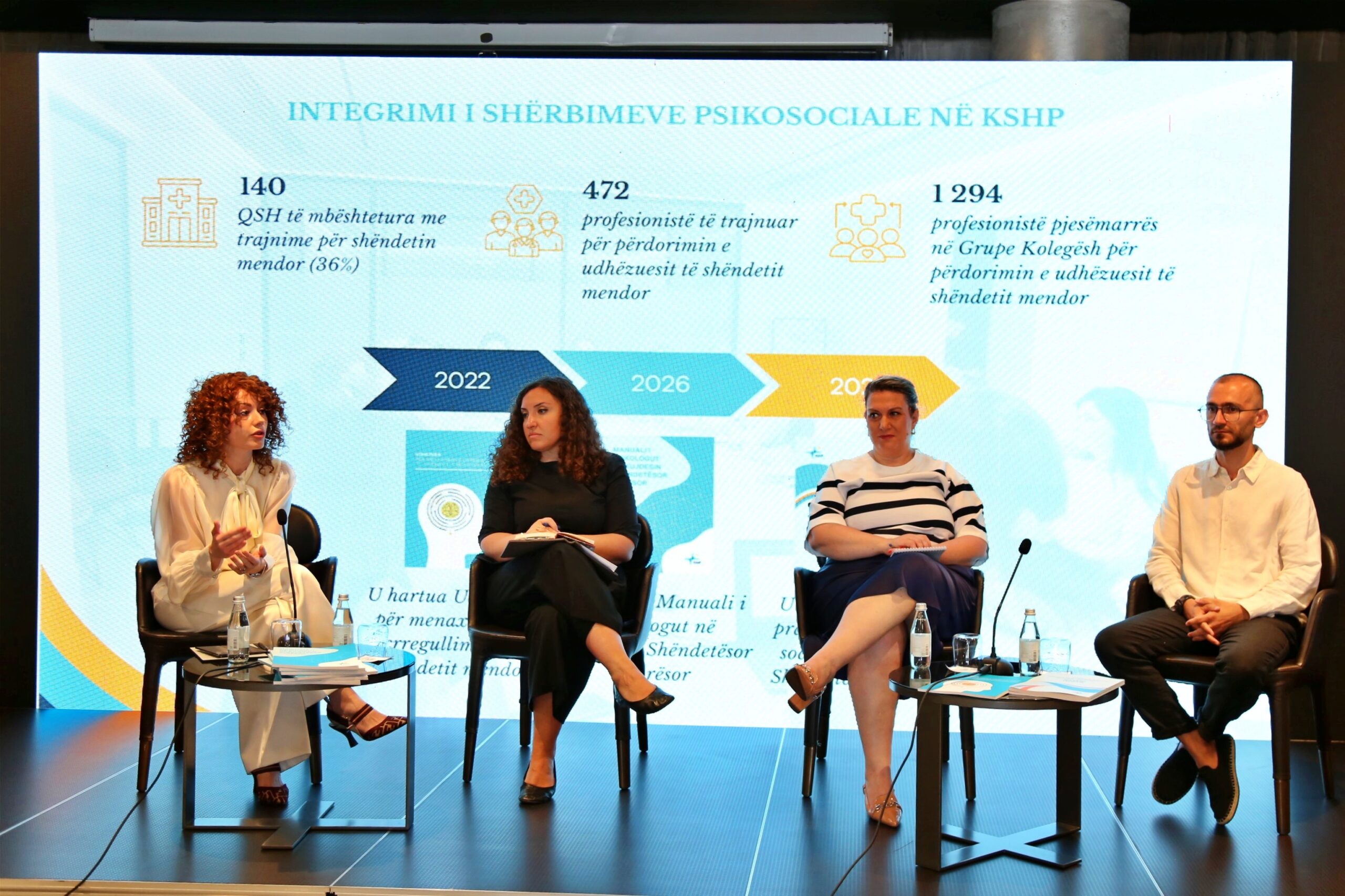
HAP has strengthened the functioning of interprofessional primary health care teams and advanced the integration of health and social services to provide better support for vulnerable groups, including older persons, persons with disabilities and individuals living with mental health disorders.
Support included the development of guidelines for the management of mental health disorders, a manual on specialised care for the elderly, and manuals for psychologists and social workers in primary health care, as well as the preparation of inventories of social and health services in six municipalities.
Through interprofessional training and Peer Groups, the capacities of doctors, nurses, psychologists and social workers were strengthened to provide more coordinated and comprehensive care. This approach has improved patient referral, case management and service integration at the community level.
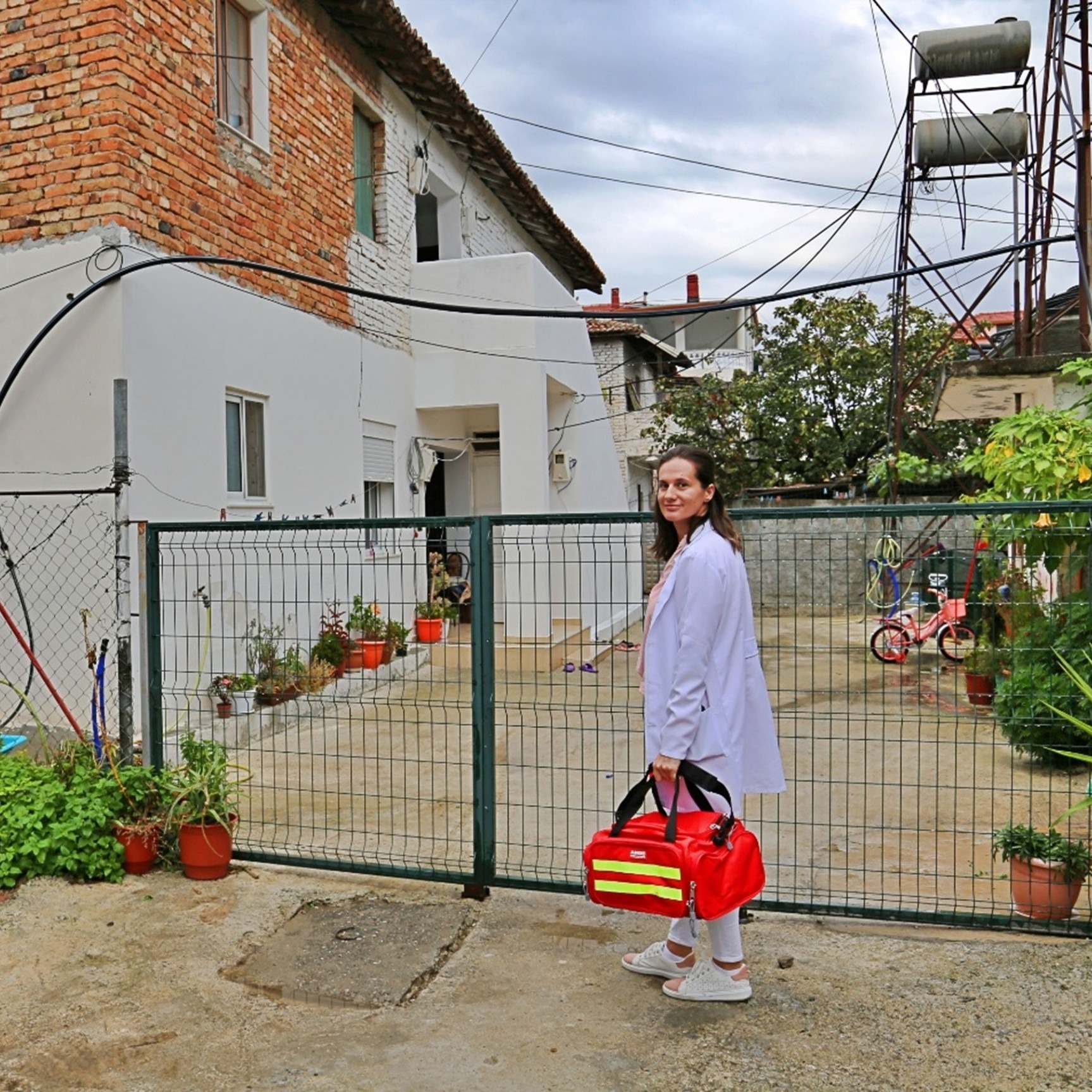 HAP has strengthened the functioning of interprofessional primary health care teams and advanced the integration of health and social services to provide better support for vulnerable groups, including older persons, persons with disabilities and individuals living with mental health disorders.
Support included the development of guidelines for the management of mental health disorders, a manual on specialised care for the elderly, and manuals for psychologists and social workers in primary health care, as well as the preparation of inventories of social and health services in six municipalities.
Through interprofessional training and Peer Groups, the capacities of doctors, nurses, psychologists and social workers were strengthened to provide more coordinated and comprehensive care. This approach has improved patient referral, case management and service integration at the community level.